
Some years ago, I listened to Richard Susskind speak about the “Future of Professions” and, in his view, how systems like AI might replace them. Indeed, the disruption he predicted largely has materialized in recent years, as many assess what impact AI will have on certain professional services, knowledge-based occupations, such as attorneys, accountants, healthcare
The Hidden Legal Minefield: Compliance Concerns with AI Smart Glasses, Part 4: Data Security, Breach Notification, and Third-Party AI Processing Risks
The Hidden Legal Minefield: Compliance Concerns with AI Smart Glasses, Part 3 –Privacy, Surveillance, and Labor Law Violations
As we have discussed in prior posts, AI-enabled smart glasses are rapidly evolving from niche wearables into powerful tools with broad workplace appeal — but their innovative capabilities bring equally significant legal and privacy concerns. In Part 1, we addressed compliance issues that arise when these wearables collect biometric information. In Part 2
Recent Developments in Artificial Intelligence and Privacy Legislation in New York State
New York State’s 2025 legislative session marked a notable moment in the evolution of artificial intelligence (AI) and privacy regulation. Governor Kathy Hochul signed the Responsible AI Safety and Education (RAISE) Act, creating one of the first state-level frameworks aimed specifically at the most advanced AI systems, while vetoing the proposed New York Health Information
Illinois’ Draft AI Notice Regulations: What Employers Need to Know
As artificial intelligence (AI) becomes more widely used in hiring and employment decisions, Illinois has taken a significant step to regulate how employers must inform workers about AI’s use. Effective January 1, 2026, House Bill 3773 amended the Illinois Human Rights Act (IHRA) to require, among other things, employer notice when AI influences or facilitates
The Hidden Legal Minefield: Compliance Concerns with AI Smart Glasses, Part 2 – Two-Party Consent and AI Note-Taking
As we explored in Part 1 of this series, AI-enabled smart glasses are rapidly evolving from niche wearables into powerful tools with broad workplace appeal — but their innovative capabilities bring equally significant legal and privacy concerns. Modern smart glasses blend high-resolution cameras, always-on microphones, and real-time AI assistants into a hands-free wearable that can
A Closer Look at the President’s Latest Executive Order Regarding State AI Legislation
Following failed congressional attempts to limit state AI laws, on December 11, 2025, the President issued an Executive Order titled Ensuring a National Policy Framework for Artificial Intelligence. The Order represents federal intervention into the growing landscape of state-level AI regulation. According to the Administration, a patchwork of state laws has created inconsistent and
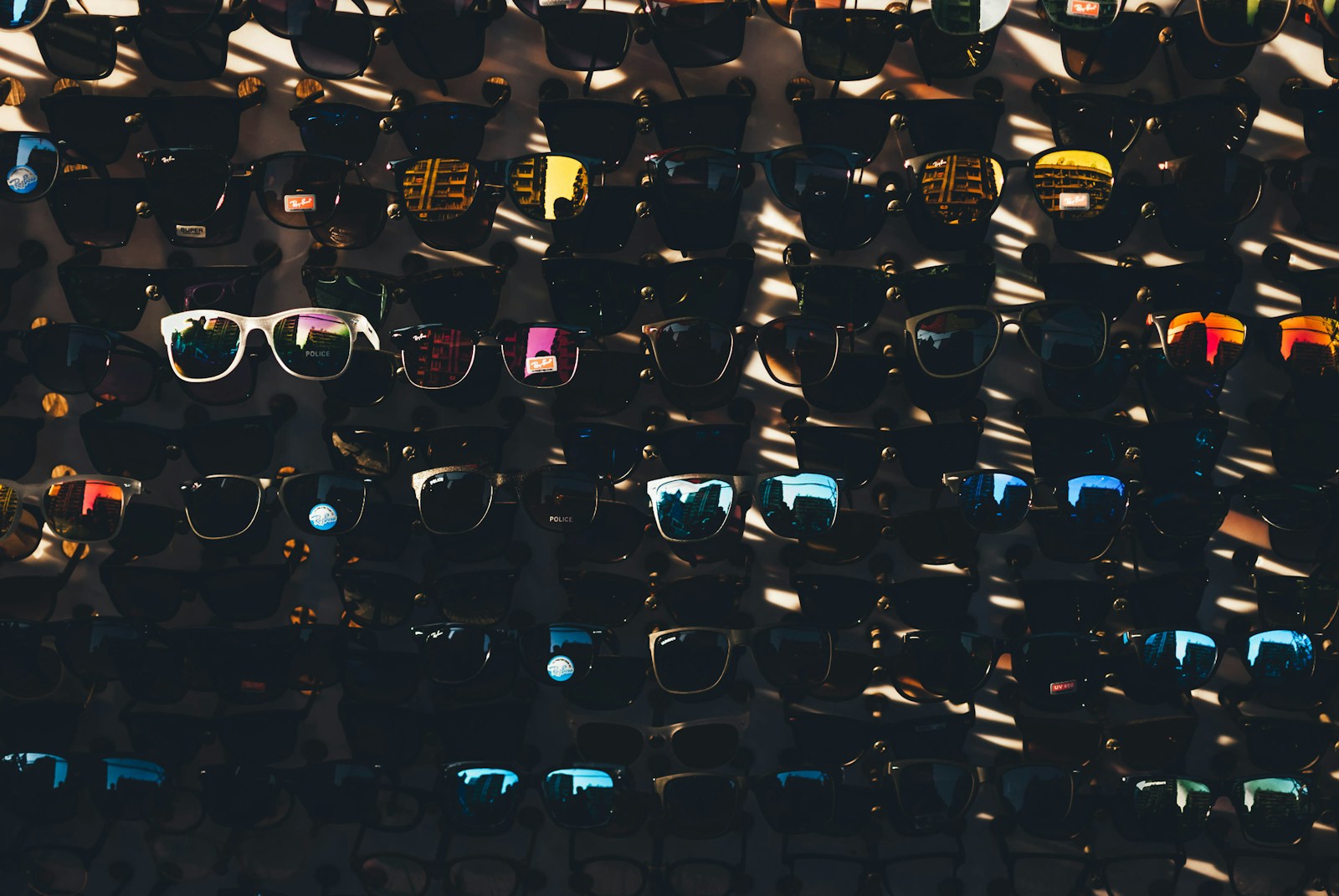
The Hidden Legal Minefield: Compliance Concerns with AI Smart Glasses, Part 1 – Biometrics
Smart glasses with AI capabilities have evolved from futuristic concept to everyday reality. The market exploded in 2024, with global smart glasses shipments surging 210% year-over-year, driven primarily by Meta’s Ray-Ban smart glasses. From the consumer-focused Meta Ray-Ban Display (featuring a built-in heads-up display announced in September 2025) to Meta’s partnership with Oakley for
The CCPA and Automated Decision-Making Technologies (ADMT)
As artificial intelligence (AI), particularly generative AI, becomes increasingly woven into our professional and personal lives—from personalized travel itineraries to reviewing resumes to summarizing investigation notes and reports—questions about who or what controls our data and how it’s used are ever present. AI systems survive and thrive on information and that intersection of AI and
AI-Related Job Impacts Clarity Act
A new Senate bill, the AI-Related Job Impacts Clarity Act (S. 3108), would create a federal reporting framework for how artificial intelligence (AI) is affecting employment in the United States.
The aim is to produce timely, public data on AI-driven layoffs, hiring, unfilled roles, and retraining, with the Department of Labor (through the Bureau of