
 2020 may very well be the most impactful year for data privacy and cybersecurity in the United States. In honor of Data Privacy Day, we discuss some of the reasons why that may be the case. In short, as privacy and cybersecurity risks continue to emerge for organizations large and small, the law is beginning
Coronavirus Raises Privacy Concerns for Healthcare Providers and their Workers
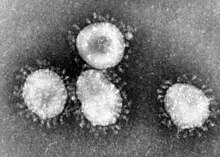 The outbreak of a new coronavirus that is believed to have began in central Chinese city of Wuhan and now appears to be spreading to the United States is driving concerns for organizations around preparedness regarding their operations, their customers, and their employees. Both the Center for Disease Control and Prevention (CDC) and the State
Combating Improper Robocalls: The TRACED Act Signed into Law
In the final days of 2019, the Telephone Robocall Abuse Criminal Enforcement and Deterrence Act (“TRACED Act”) was signed into law to combat the increasing number of illegal robocall practices and other intentional violations of telemarketing laws. The TRACED Act, a bipartisan bill, first introduced in Congress in 2018, broadens FCC authority to levy Telephone
Personal Information, Private Information, Personally Identifiable Information…What’s the Difference?
When privacy geeks talk “privacy,” it is not uncommon for them to use certain terms interchangeably –personal data, personal information, personally identifiable information, private information, individually identifiable information, protected health information, or individually identifiable health information. They might even speak in acronyms – PI, PII, PHI, NPI, etc. Blurring those distinctions might be OK for
10 Steps for Tackling Data Privacy and Security Laws in 2020 for In-House Counsel and HR Pros
After years of data breaches, mass data collection, identity theft crimes, and failed attempts at broad-based federal legislation, 2020 may be the year that state privacy and data security legislation begins to take hold in the U.S. For example, the California Consumer Privacy Act (“CCPA”) and the New York Stop Hacks and Improve Electronic Data
Are shareholders considered “consumers” under the CCPA?
It’s hard to understate the range of issues the California Consumer Privacy Act (the “CCPA”) raises for covered businesses and their service providers. One of those issues involves the meaning of “consumer.” If you have been following CCPA developments, you know that at least for the first 12 months the CCPA is effective, the new
Professional Tax Preparers – You Need A Written Information Security Plan, Says the IRS and FTC
Tax season soon will soon be upon us and many not-so-eager taxpayers will share sensitive personal information about themselves, their dependents, their employees, and others with their trusted professional tax preparers for processing. What many of these preparers might not realize is that federal law and a growing number of state laws obligate them to
Disclosure of State Employees’ Birthdates Not Protected Per Washington Supreme Court
The Washington State Supreme Court ruled recently that state employees’ birthdates associated with their names are not exempt from disclosure pursuant to a freedom of information records request. In so holding, the Court strictly construed the applicable statute that did not expressly exempt birthdates from disclosure. Wash. Pub. Emps. Assn. v. State Ctr for Childhood
California Updates its Data Breach Notification Law
On February 21, 2019, California Attorney General Xavier Becerra and Assemblymember Marc Levine (D-San Rafael) announced Assembly Bill 1130 which intended to strengthen and expand California’s existing data breach notification law. On September 11, 2019, the bill passed both houses of the legislature and was presented to Governor Gavin Newsom. Last Friday, October 11, 2019,
CCPA Update: AG Announces Proposed Regulations, Governor Signs Amendments into Law
Lots of action for the California Consumer Privacy Act (CCPA) in the last few days! After much anticipation, on October 10th, 2019, California Attorney General Xavier Becerra (“the AG”) announced the Proposed Regulations for the CCPA. The next day, California Governor Gavin Newsom signed into law six amendments to the CCPA. Below is