
Roger Severino, Director of the Office for Civil Rights (OCR) at the U.S. Department of Health and Human Services (HHS), provides advice for HIPAA covered health care providers:
When informed of potential HIPAA violations, providers owe it to their patients to quickly address problem areas to safeguard individuals’ health information
 According to OCR allegations,
 On April 3, the Office for Civil Rights (OCR) issued an alert to covered entities and business associates. Evidently, one or more individuals are posing as OCR Investigators and contacting HIPAA covered entities and business associates in an attempt to obtain protected health information (PHI). The individual identifies on the telephone as an OCR investigator,
 With first responders on the front lines of helping to fight the coronavirus, sharing information about potential exposure to COVID-19 is critical to protecting them and preventing further spread. In these situations, the information shared is most often “protected health information” (PHI) under the Health Insurance Portability and Accountability Act of 1996 (HIPAA) Privacy Rule.
 The Office for Civil Rights (OCR) at the Department of Health and Human Services (HHS) wants to make it easier for individuals to reach a healthcare provider, including those most at risk (older persons and persons with disabilities). Effective immediately, during the COVID-19 nationwide public health emergency, OCR
 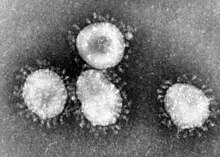 The outbreak of a new coronavirus that is believed to have began in central Chinese city of Wuhan and now appears to be spreading to the United States is driving concerns for organizations around preparedness regarding their operations, their customers, and their employees. Both the